P·07 · Mechanical
TechAmp CNC Curriculum
Parts, CNC programs and lab lessons for an MIT hands-on machining curriculum now at six community colleges, with programs rewritten for two mills.
At a glance
- 6community colleges running the curriculum
- 100+students reached
- Where
- MIT LEAP Group
- Role
- Curriculum co-author and machinist
- Status
- Active
- CNC programming
- CAM
- G-code
- Carbide 3D Nomad 3
- LinuxCNC
- Speeds and feeds
- Workholding (soft jaws)
- Metrology
- Curriculum design
The problem
Manufacturing has a skill gap: CNC machines keep getting more capable, and not enough people are trained to run them. MIT’s LEAP Group works on both halves of that, building intelligent CNC systems and the education that puts them in people’s hands. TechAmp is the curriculum side, an initiative started at MIT that teaches CNC operation and CAM programming.
For the curriculum to run outside MIT, the lab parts have to machine reliably on the machines the classrooms actually have.
Approach
Programming and machining the lab parts
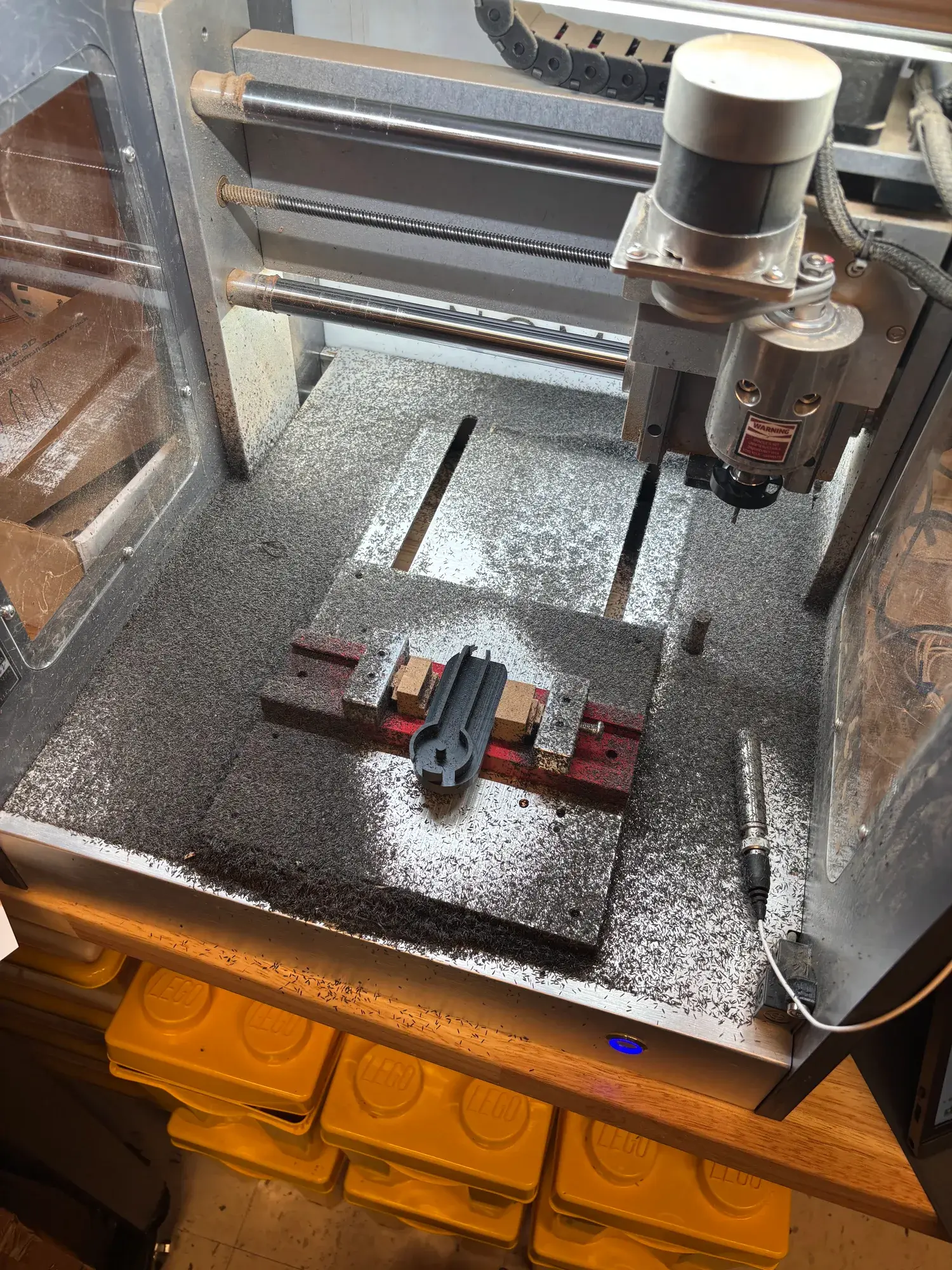
I CNC-programmed and machined the parts for the labs, from CAD through CAM to a finished part, including soft jaws for workholding.
Programs for two different mills
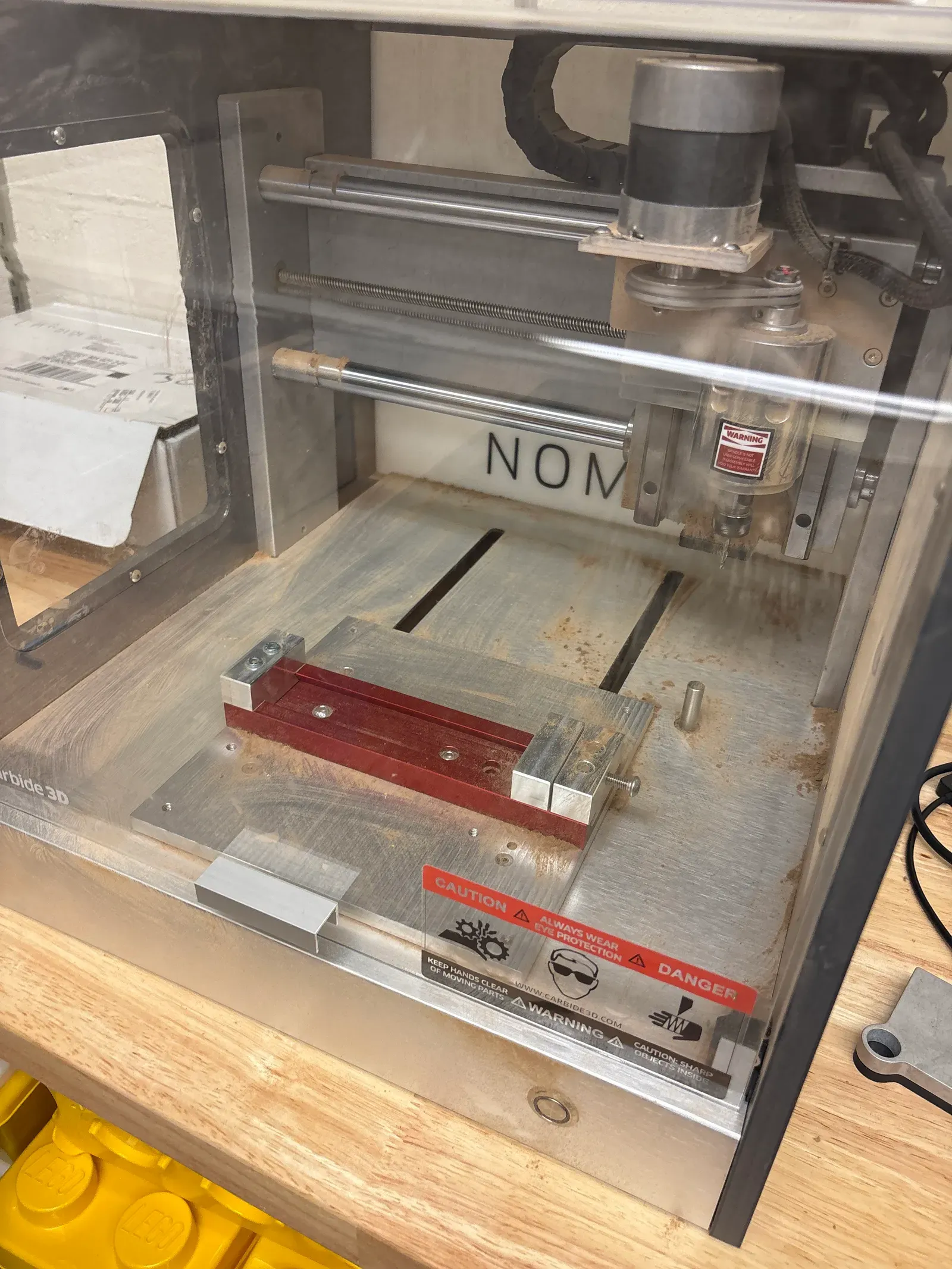
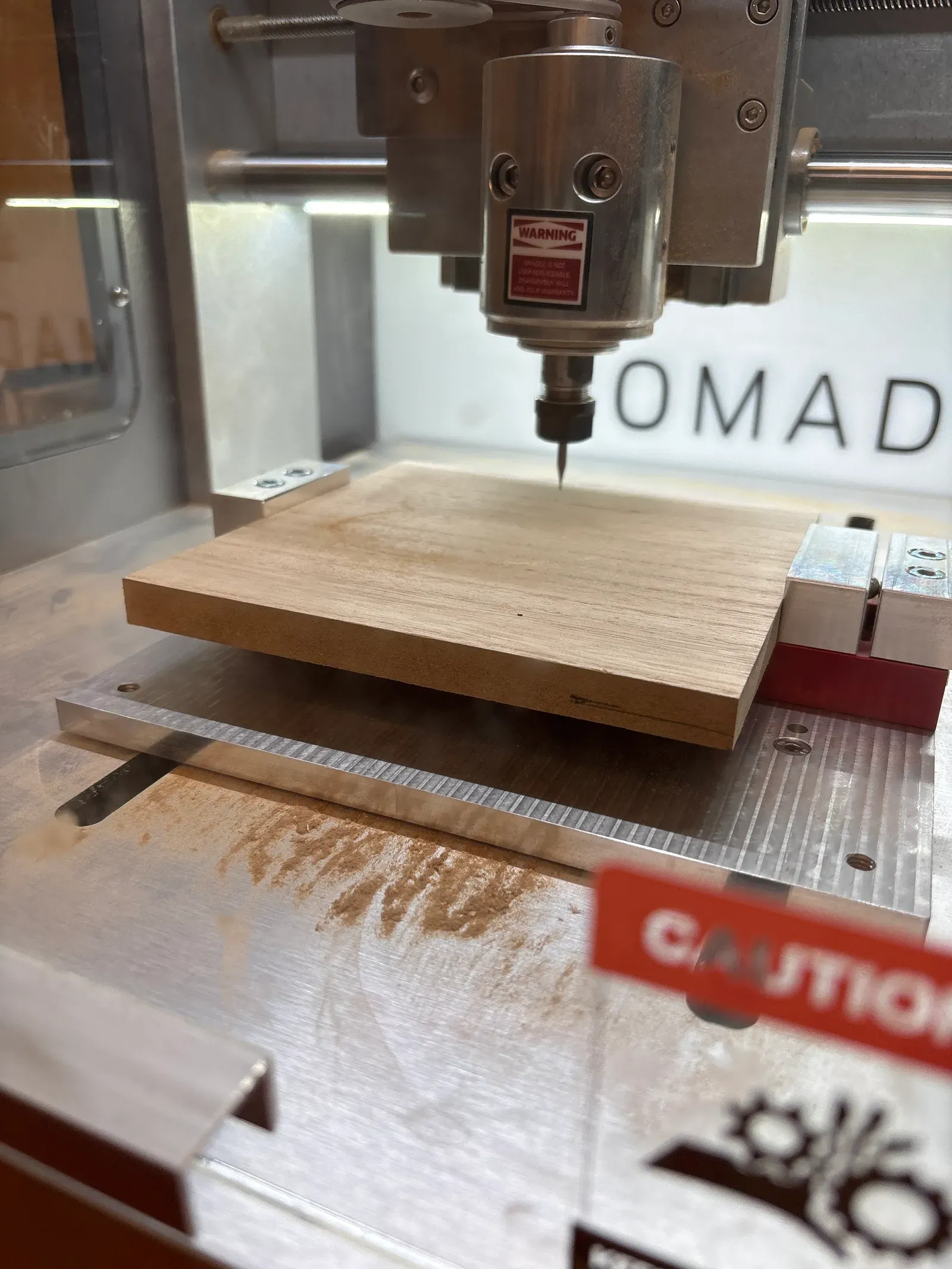
The curriculum’s parts had to run on two different machines: a Carbide 3D Nomad 3 desktop mill and an open-source mill running LinuxCNC. I rewrote the CNC programs so the same parts come out right on both.
Characterizing the machines
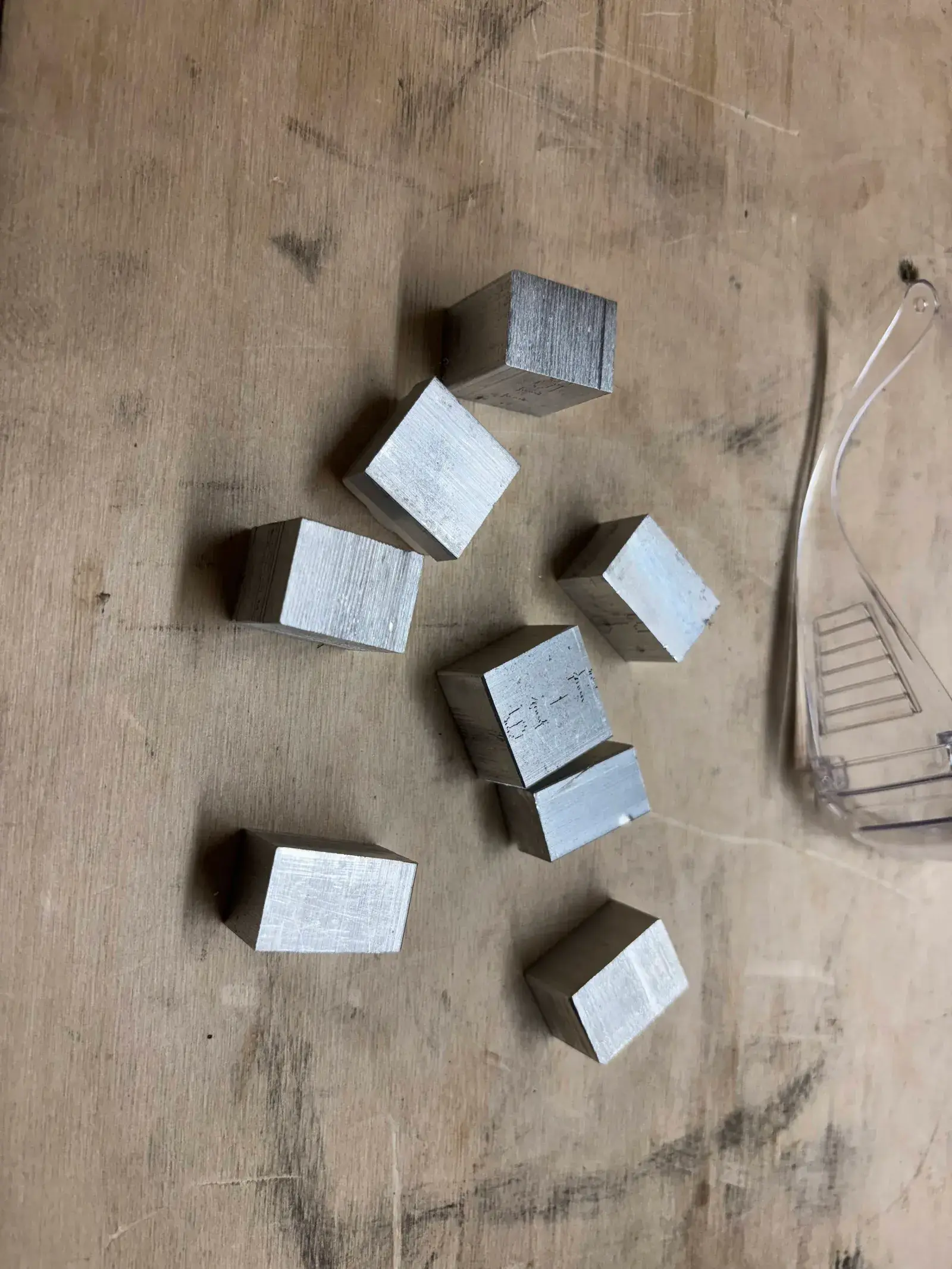
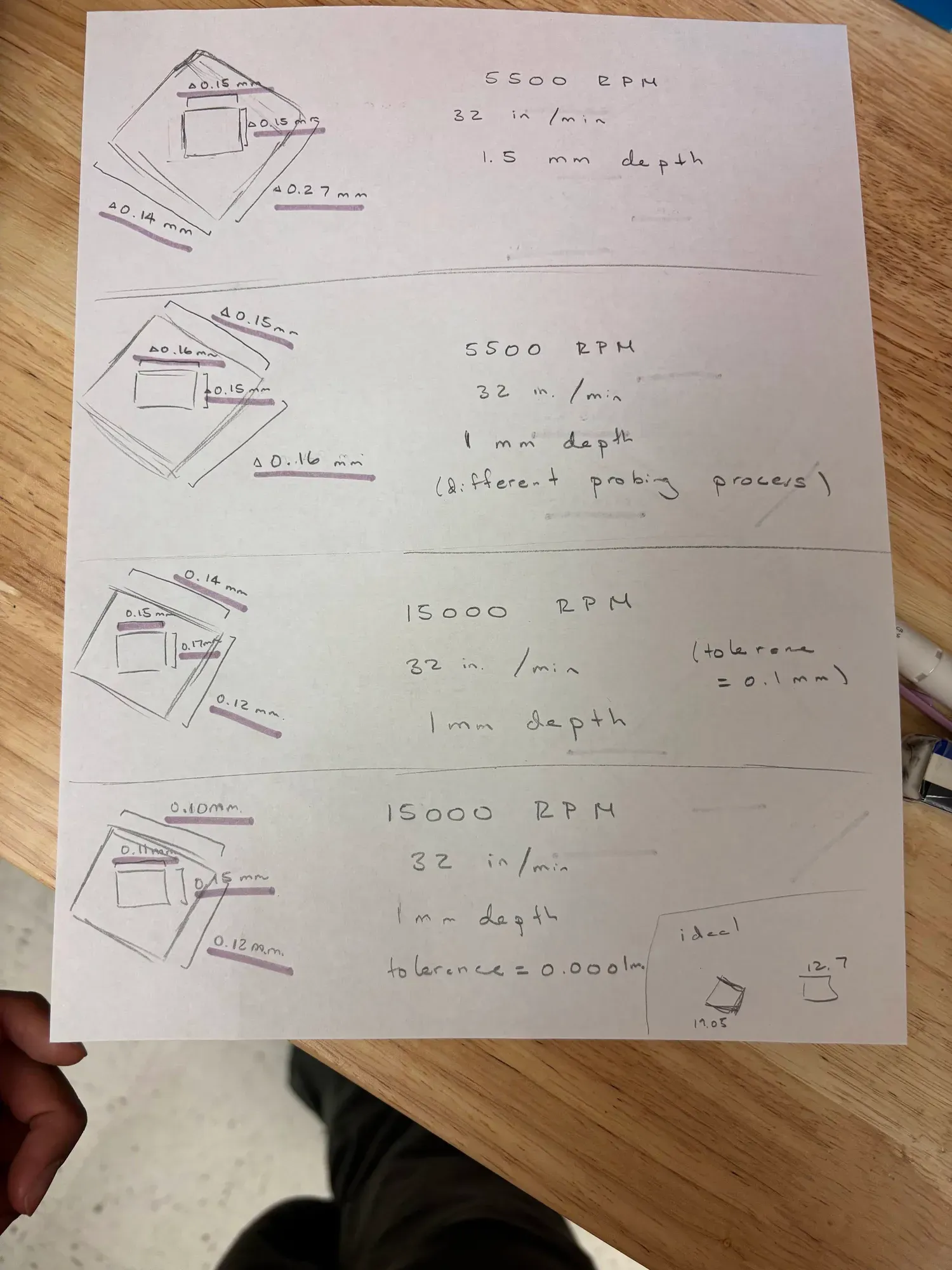
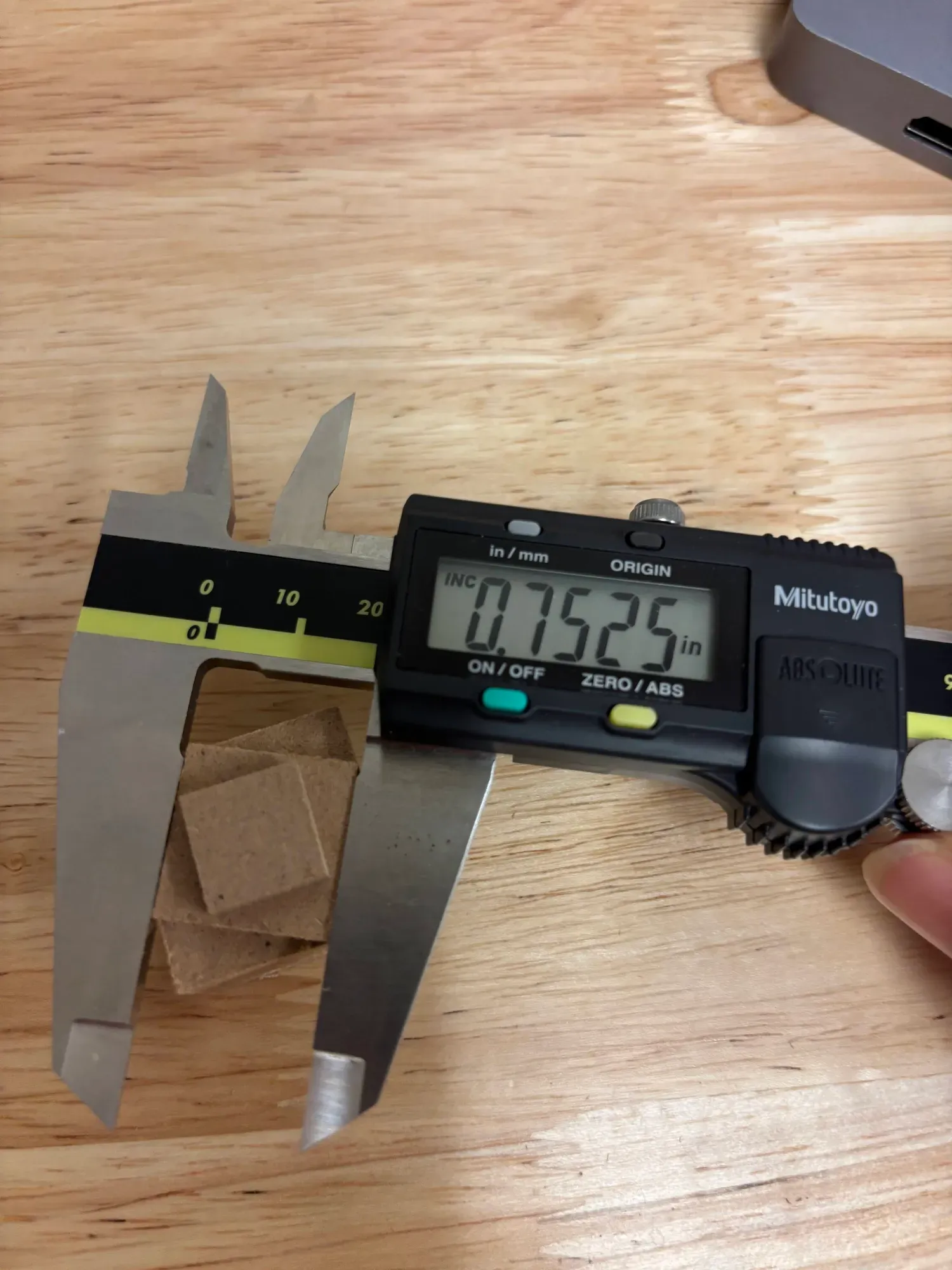
Before the machines went into teaching, I measured test cuts with calipers against their nominal dimensions to establish how accurately each machine actually cuts.
The Base, Slider, Crank lab
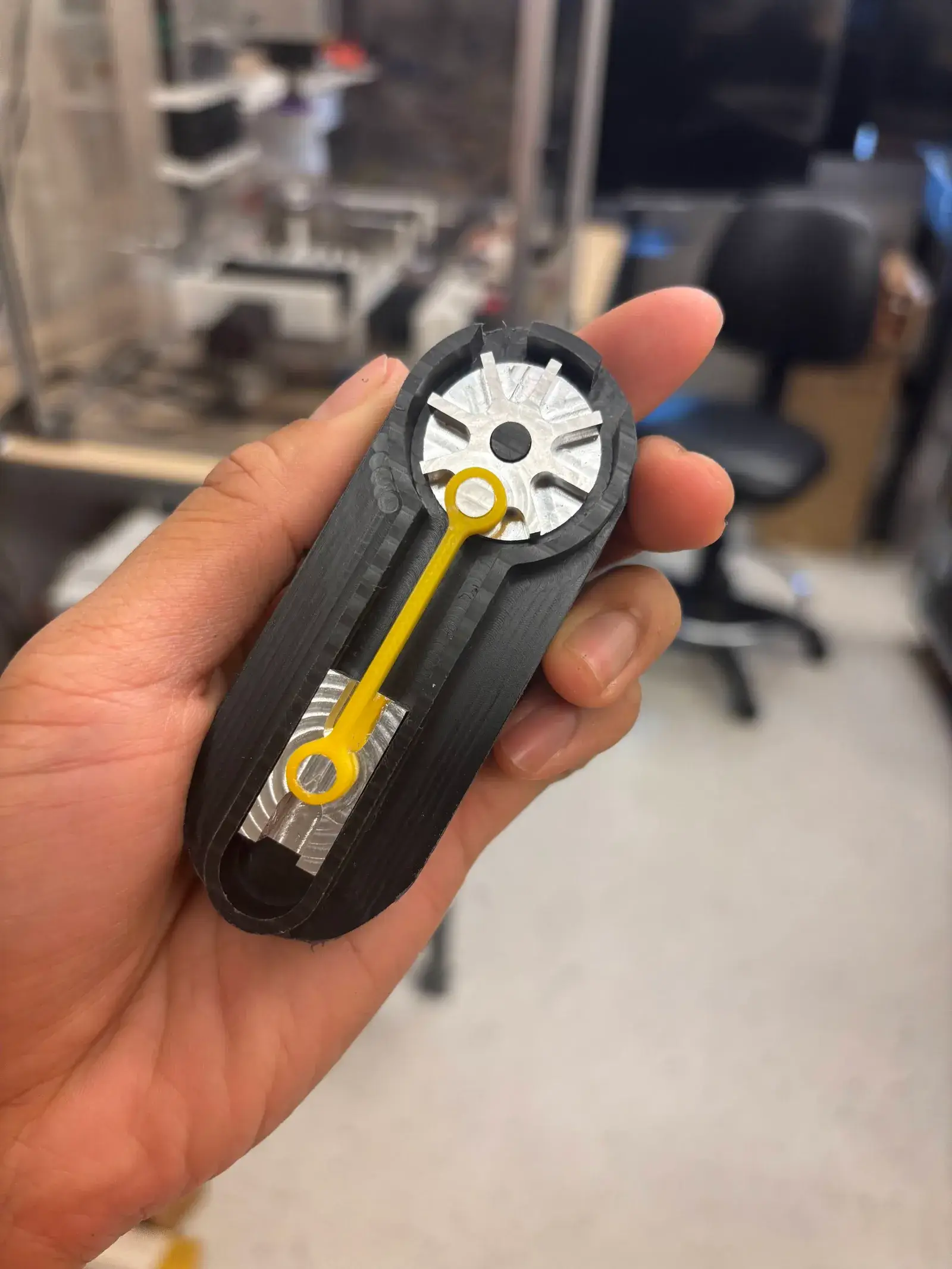
I wrote the lessons for the Base, Slider, Crank lab, built around the slider-crank mechanism shown at the top of this page. They take students from CAM to G-code to running the CNC and machining the crank and slider themselves.
Results
The curriculum is deployed at six community colleges and has reached more than 100 students.
My contribution
I programmed and machined lab parts, rewrote the CNC programs to run on both mills, characterized the machines, and wrote the Base, Slider, Crank lessons. TechAmp itself is a larger MIT initiative with other authors.
Gallery
4 images